Category: Uncategorized

  • Half the Budget, Double the Burden: Who Will Protect the Protectors of Filipino Learners?

    Half the Budget, Double the Burden: Who Will Protect the Protectors of Filipino Learners?

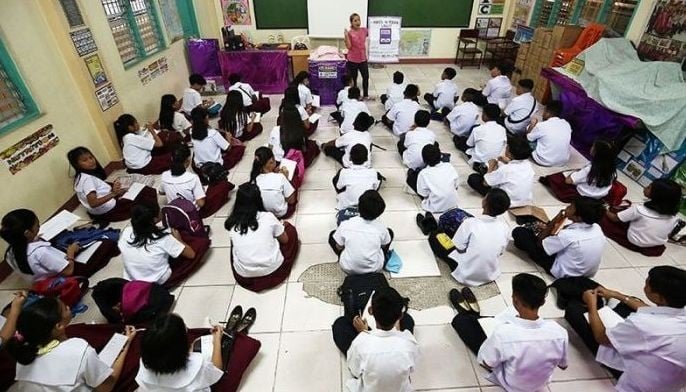
    Public schools in Central Visayas are facing a shortage of around 10,000 classrooms, according to the Department of Education (DepEd) Region 7, highlighting the urgent need for additional learning spaces to keep up with the region’s growing student population.

    https://www.philstar.com/headlines/2024/01/30/2329641/practically-begging-district-rep-rues-meager-deped-funds-new-classrooms

    Cutting a child protection budget by half may save money on paper, but how much will it cost when a student’s silent cry for help goes unheard? As the Department of Education (DepEd) pushes for greater investment in mental health and child protection, a reported 50-percent reduction in the program’s proposed funding raises an urgent question: Can schools protect their learners when the resources meant to keep them safe are shrinking?

    Behind every classroom door are children carrying struggles that grades cannot measure. Some wrestle with anxiety, others endure bullying, and many need someone who can recognize their distress before it turns into a crisis. Yet addressing these concerns becomes increasingly difficult when schools face a shortage of mental health professionals and limited resources to protect their communities.

    DepEd officials and program representatives are seeking increased budget allocations for mental health and child protection initiatives, emphasizing the need to prevent school violence and safeguard both learners and teachers. However, the reported budget reduction threatens to complicate these efforts, particularly when schools are expected to provide safe environments while responding to increasingly complex student needs.

    When professional help is scarce, teachers often become the first adults to notice that something is wrong. A sudden change in behavior, withdrawal from classmates, or unexplained aggression may signal a deeper problem that requires attention. Through capacity-building programs, DepEd is equipping teachers with skills to recognize warning signs and administer psychological first aid.

    Such training can help educators respond more appropriately to students in distress. Nevertheless, teachers cannot be expected to replace trained psychologists or guidance counselors. Their primary responsibility is already demanding, encompassing instruction, assessment, classroom management, and other school duties. Adding student mental health concerns without sufficient personnel and support risks stretching an already overburdened workforce even thinner.

    Recognizing that teachers also need care, DepEd has established its “Caring for the Carers” initiative, which provides psychological support to educators, including during emergencies. Personnel have been deployed to assist amid situations such as earthquakes in Sarangani and incidents in Tacloban.

    The initiative acknowledges a truth often overlooked in discussions about education: those who care for learners are human, too. Teachers who experience distress, exhaustion, or trauma also need opportunities to recover and receive professional assistance. Protecting educators’ well-being is not separate from protecting children; the two are deeply connected.

    DepEd is also working to accelerate the hiring of school counselor associates to strengthen mental health support within schools. Expanding this workforce could help ensure that students with serious concerns are referred to qualified professionals instead of relying solely on teachers who may lack the specialized training required for complex cases.

    But hiring plans, training sessions, and support initiatives need sustained funding to become accessible and effective. Without adequate resources, even well-designed programs may struggle to reach the learners and teachers who need them most.

    Child protection is not merely a line item in a national budget. It represents the capacity of schools to respond when bullying escalates, when a child experiences abuse, or when a teacher recognizes that a student may be in danger. Mental health funding, likewise, supports early intervention that may prevent manageable concerns from becoming more serious crises.

    Previous efforts to help learners, parents, and teachers understand their rights and responsibilities have laid important groundwork. Sustaining these gains, however, requires more than awareness. Communities need accessible support services, trained personnel, clear reporting procedures, and sufficient resources to act when problems arise.

    The government must therefore examine whether proposed allocations adequately reflect the scale of the challenges facing schools. Budget decisions should consider not only immediate financial constraints but also the long-term consequences of failing to address violence, psychological distress, and child protection concerns early.

    Ultimately, a safe school is built through more than rules posted on classroom walls. It depends on adults who can recognize distress, professionals who can provide appropriate care, and institutions willing to invest in prevention rather than wait for tragedy to demand attention.

    Children should never have to compete with budget constraints for the protection they deserve, and teachers should never have to carry an entire school’s emotional burden alone. If education is truly an investment in the nation’s future, safeguarding the minds and lives of its learners must not become an expense the country can afford to cut.
  • Climbing Scores, Crumbling Walls: Is Philippine Education Truly Moving Forward?

    Climbing Scores, Crumbling Walls: Is Philippine Education Truly Moving Forward?

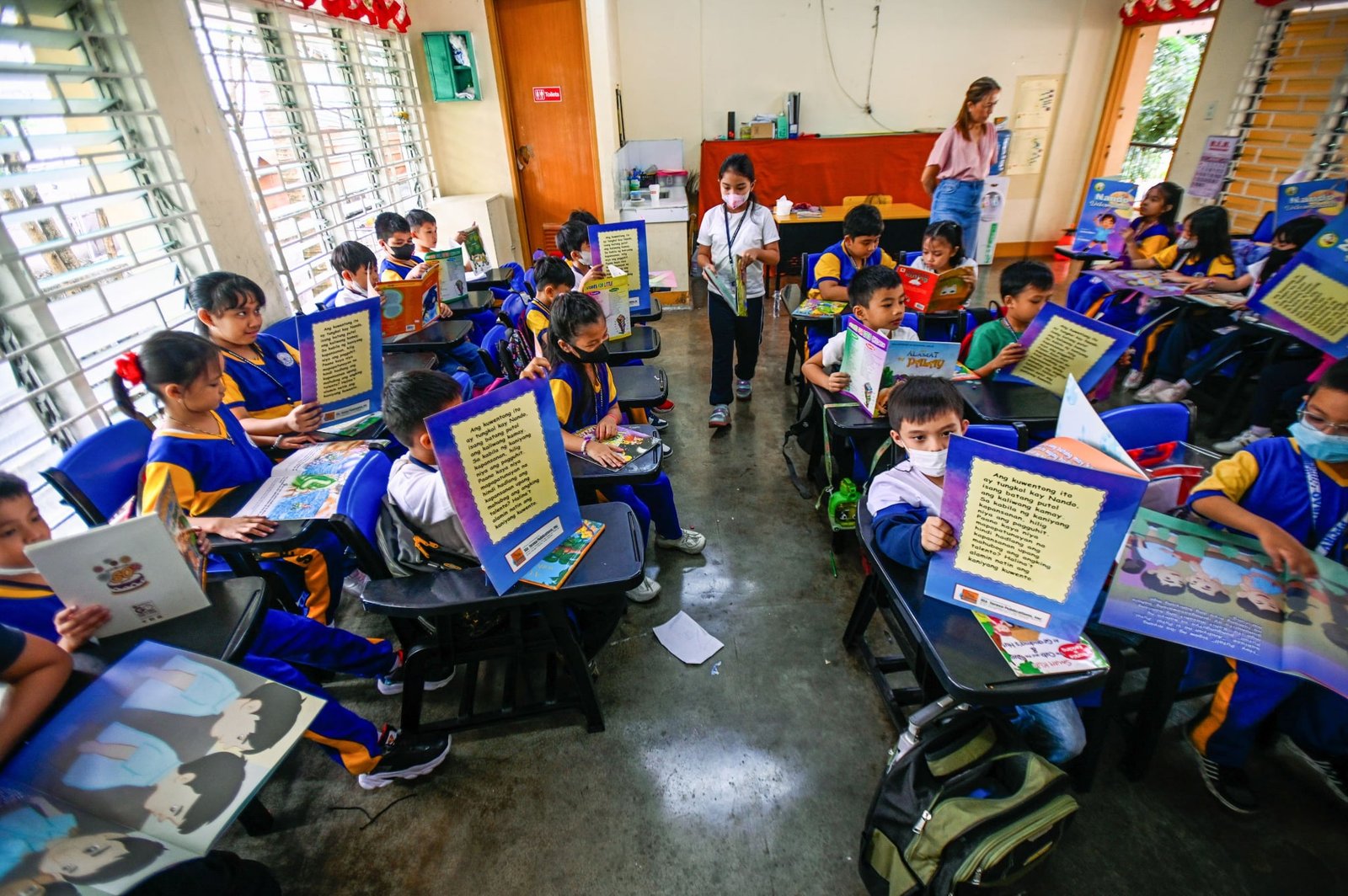
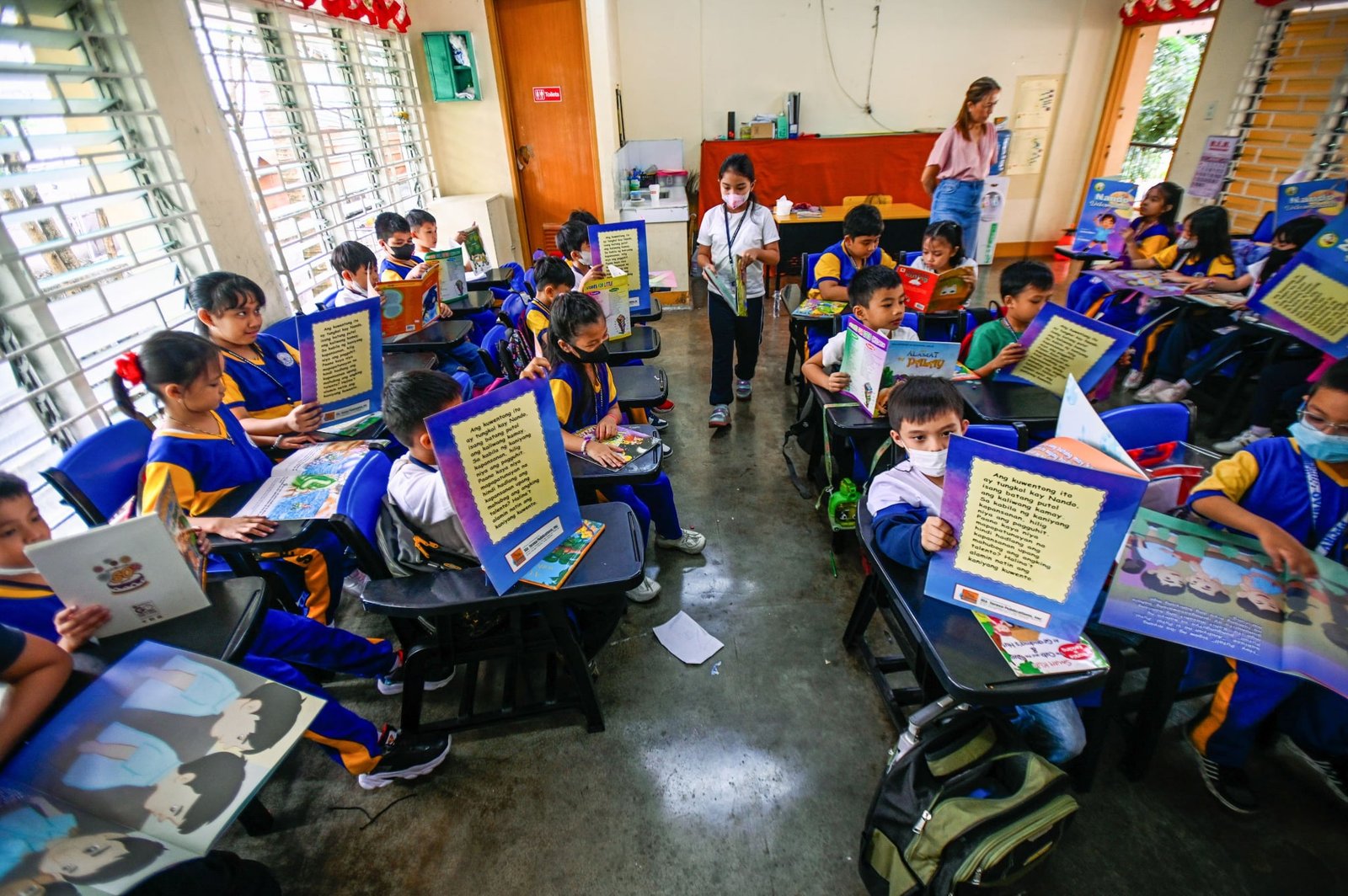
    Supervised by their teachers, students of Pinyahan Elementary School initiates their Catch up Fridays’ by reading storybooks.

    https://www.abs-cbn.com/news/nation/2026/9/8/philippines-posts-highest-pisa-scores-yet-but-learning-gaps-remain-2105

    Twenty points higher in reading, seventeen in science, sixteen in mathematics—but how far can Filipino learners rise when crowded classrooms, outdated books, and persistent bullying continue to stand in their way?

    Hope has found its way into Philippine education, carried by numbers that finally point upward. In the latest Programme for International Student Assessment (PISA) results presented in the fact sheet, Filipino students demonstrated improvements across science, mathematics, and reading, signaling that years of educational interventions may be beginning to bear fruit. Yet beneath this encouraging progress lies a deeper concern: rising scores mean little if millions of learners still struggle to receive the education they deserve.

    With 373 points in science, 371 in mathematics, and 367 in reading, the Philippines registered gains of 17, 16, and 20 points, respectively, compared with the 2022 assessment cycle. Reading recorded the largest improvement, earning particular recognition for the country’s progress in reading proficiency.

    Behind these figures are efforts to strengthen school readiness, expand access to computers and digital learning tools, and create a more supportive testing environment. These initiatives demonstrate that when learners receive adequate preparation and resources, improvement becomes possible.

    However, progress must not be mistaken for victory.

    Despite the gains, Philippine scores remain below OECD averages of 482 in science, 463 in mathematics, and 461 in reading. The country may be climbing, but the distance between its current performance and international benchmarks reveals how much work remains.

    For learners squeezed into overcrowded classrooms, academic success can feel like an uphill battle. For teachers struggling with limited instructional materials and insufficient support personnel, delivering quality education often demands more than dedication alone. Outdated textbooks, inadequate facilities, and concerns over teacher compensation continue to expose weaknesses that higher assessment scores cannot conceal.

    Beyond academic difficulties, bullying threatens the very environment where learning should flourish. Students cannot reach their full potential when fear follows them into classrooms, corridors, and school grounds. Education must cultivate not only intelligence but also security, dignity, and belonging.

    President Ferdinand Marcos Jr. has acknowledged the country’s improved performance and pledged to sustain education reforms. Turning that commitment into lasting progress, however, requires more than encouraging statements. Schools need additional classrooms, updated learning resources, stronger student welfare programs, and adequate support for the teachers who carry the responsibility of educating the next generation.

    More importantly, reforms must reach every learner, including those in underserved communities where access to educational resources remains limited. International assessments can reveal weaknesses and measure improvement, but they cannot independently determine whether every child has a fair opportunity to succeed.

    True educational progress begins when a student understands a difficult passage, solves a problem with confidence, or discovers the courage to ask a question. It continues when teachers have the tools to teach effectively and when schools become safe spaces for curiosity rather than sources of fear.

    The latest PISA gains offer a reason to celebrate, but they must also serve as a reminder of unfinished work. Sustaining momentum means confronting the structural problems that continue to hold learners back, not simply celebrating the points they have gained.

    Because the Philippines will not truly rise in education when its scores climb alone, but when every Filipino learner is given the chance to rise with them.

  • WHEN THE RAINS WITHHOLD

    WHEN THE RAINS WITHHOLD

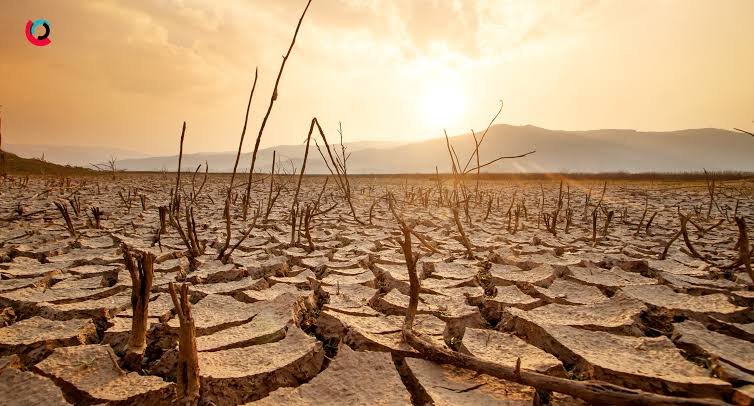
    The Pacific Ocean is moving out of the cold of La Niña and into the hot El Niño phase. This transition is bound to have a massive impact on global weather patterns, causing potential disruptions in travel and services.

    https://riskline.com/el-nino-is-here-what-will-the-impact-be/

    sun rises over fields that once shimmered with green. Now, the soil is dry, the grass has turned brittle, and farmers look toward a sky that offers little promise of rain. Somewhere nearby, a household carefully measures the water left in its containers. Under the same relentless heat, ordinary routines become daily challenges.

    El Niño is a climate phenomenon that warms the central and eastern tropical Pacific Ocean and can influence weather patterns across the world. In the Philippines, it often increases the likelihood of below-normal rainfall, raising the risk of dry spells and drought in vulnerable areas.

    For farmers, prolonged dry conditions can mean difficult decisions. Crops need sufficient water to grow, while livestock also depend on reliable water supplies. When rainfall becomes inadequate, agricultural production may suffer, potentially affecting farmers’ earnings and the availability or cost of certain food products.

    The consequences can reach far beyond the fields.

    At home, families may need to become more careful about water consumption. In schools, hot classrooms can make concentration more difficult, particularly when ventilation and drinking-water supplies are inadequate. Communities that depend on vulnerable water sources may face additional challenges in meeting daily needs.

    Yet El Niño is not simply a story about a changing climate. It is also a story about preparation.

    Water conservation, proper storage, efficient irrigation, and timely public advisories can help communities manage the risks. Local governments and relevant agencies can monitor water supplies, support affected farmers, and communicate preparedness measures. Households can also avoid wasting clean water and follow guidance from local authorities.

    Still, individual action cannot replace broader planning. Communities need dependable water systems, accessible information, and coordinated responses to climate-related challenges. The people most affected may have the fewest resources to adapt, making assistance and preparedness especially important.

    For students, understanding El Niño begins with looking beyond the temperature on a weather application. It means learning where water comes from, how food production depends on rainfall, and why environmental changes can affect families differently.

    The heat may be felt on the skin, but its consequences reach into farms, kitchens, classrooms, and livelihoods.

  • DepEd Seeks Higher Budget Allocation to Address Shortages

    DepEd Seeks Higher Budget Allocation to Address Shortages

    https://www.abs-cbn.com/news/nation/2026/9/8/philippines-posts-highest-pisa-scores-yet-but-learning-gaps-remain-2105

    Supervised by their teachers, students of Pinyahan Elementary School initiates their Catch up Fridays’ by reading storybooks.

    MANDAUE CITY – The Department of Education (DepEd) is seeking higher budget allocation and investments for national mental health and child protection program after a sharp budget decrease in initial program proposals.

    DepEd’s initial financial proposal experienced a significant net decrease during budget deliberations, with the child protection program that suffered roughly a 50% decrease compared to its initial proposed budget, leading to the urgent appeal.

    With higher budget allocation, DepEd plans on increasing investments in mental health and child protection to deter school violence, and to build on past-year gains where stakeholders (learners, parents, teachers) were taught to better understand rights and responsibilities.

    The department also plans on conducting Teacher Training/Psychological First Aid programs, where Teachers are trained to act as a “first line of defense” to spot behavioral “red flags” in students and “nip violence in the bud” and “Caring for the Carers” Initiative that Involves deploying personnel to provide psychological support during emergency situations (e.g., recent earthquakes in Sarangani and incidents in Tacloban).

    Approval for the appeal is still pending, with DepEd hoping to address a severe shortage of mental health personnel, mitigate school violence, and protect both learners and teachers.

  • DSPC Highlights Journalism’s Role in Shaping Minds

    DSPC Highlights Journalism’s Role in Shaping Minds

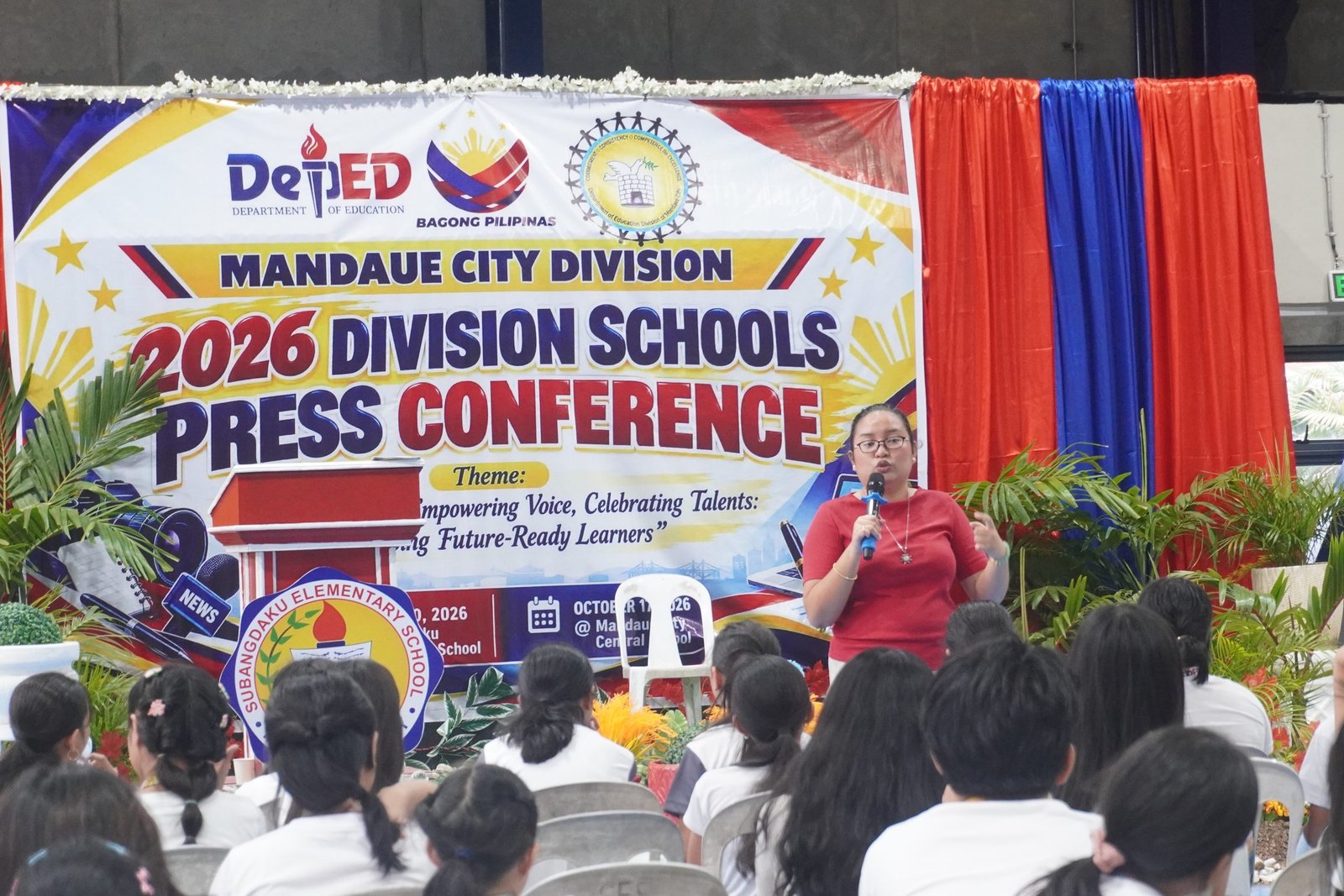
    Division Schools Press Conference (DSPC) 2026 was held on October 10, 2026 with the theme: Igniting Minds, Empowering Voice, Celebrating Talents, Shaping, Future-Ready Learners.

    MANDAUE CITY – The Mandaue City Division Schools Press Conference (DSPC) highlighted the power of journalism in promoting truth and inspiring change among young Journalists on Saturday, October 10, 2026.

    “A journalist’s job is to express, not to impress” said by DSPC Speaker, reminding students journalists that reporting should focus on communicating facts and ideas rather than seeking praise and attention.

    CIB Chief Dr. Jayme Ruelan further stressed the importance of accountability in journalism, stating “an empowered voice must also be a responsible voice.” The message highlighted the need for journalists to use their platforms wisely, verify information, and consider the impact of their reports on the public.

    “What you write today will change the lives of many, if you write with truth and integrity” added by SP member Atty. Joel M. Seno, encouraging aspiring journalists to recognize the lasting presence of their words.

    The conference served as a reminder that campus journalism is more than a writing competition, it is a responsibility to inform the public, uphold the truth, and aspire positive change through ethical reporting.

  • Philippines’ Significant Score Increase in PISA

    Philippines’ Significant Score Increase in PISA

    https://www.philstar.com/headlines/2024/01/30/2329641/practically-begging-district-rep-rues-meager-deped-funds-new-classrooms

    Public schools in Central Visayas are facing a shortage of around 10,000 classrooms, according to the Department of Education (DepEd) Region 7, highlighting the urgent need for additional learning spaces to keep up with the region’s growing student population.

    The Philippines posted its best performance to date in the Programme for International Student Assessment (PISA), registering significant score increases across all core subjects (science, mathematics, and reading).

    Compared to the previous assessment results (2022 PISA cycle), the country’s scores improved by at least 16 points across the board, with results showing:
    Science: 373 points (+17 points higher than 2022)
    Mathematics: 371 points (+16 points higher than 2022)
    Reading: 367 points (+20 points higher than 2022)

    Despite the record gains, Philippine scores remain below the Organisation for Economic Co-operation and Development (OECD) global averages:

    • OECD Science Average: 482
    • OECD Math Average: 463
    • OECD Reading Average: 461

    Although remaining below the OCED average, the Philippines outperformed at least:

    • 14 countries in Science
    • 16 countries in Mathematics
    • 18 countries in Reading

    Gaining special recognition in the process as the OECD explicitly identified the Philippines as the fastest-growing country in terms of reading proficiency progress.

    President Ferdinand Marcos Jr. acknowledged the milestones and vowed to sustain momentum by aggressively pushing forward with comprehensive national education reforms. But while celebrating the upward trend, teaching unions and sector representatives stressed that structural bottlenecks persist, with critical gaps highlighted include: acute shortages of physical classrooms, lack of teaching and education support personnel, delayed textbook updates, and the pressing demand for higher salaries and compensation packages for teachers.

  • Healthy Minds, Better Future

    Healthy Minds, Better Future

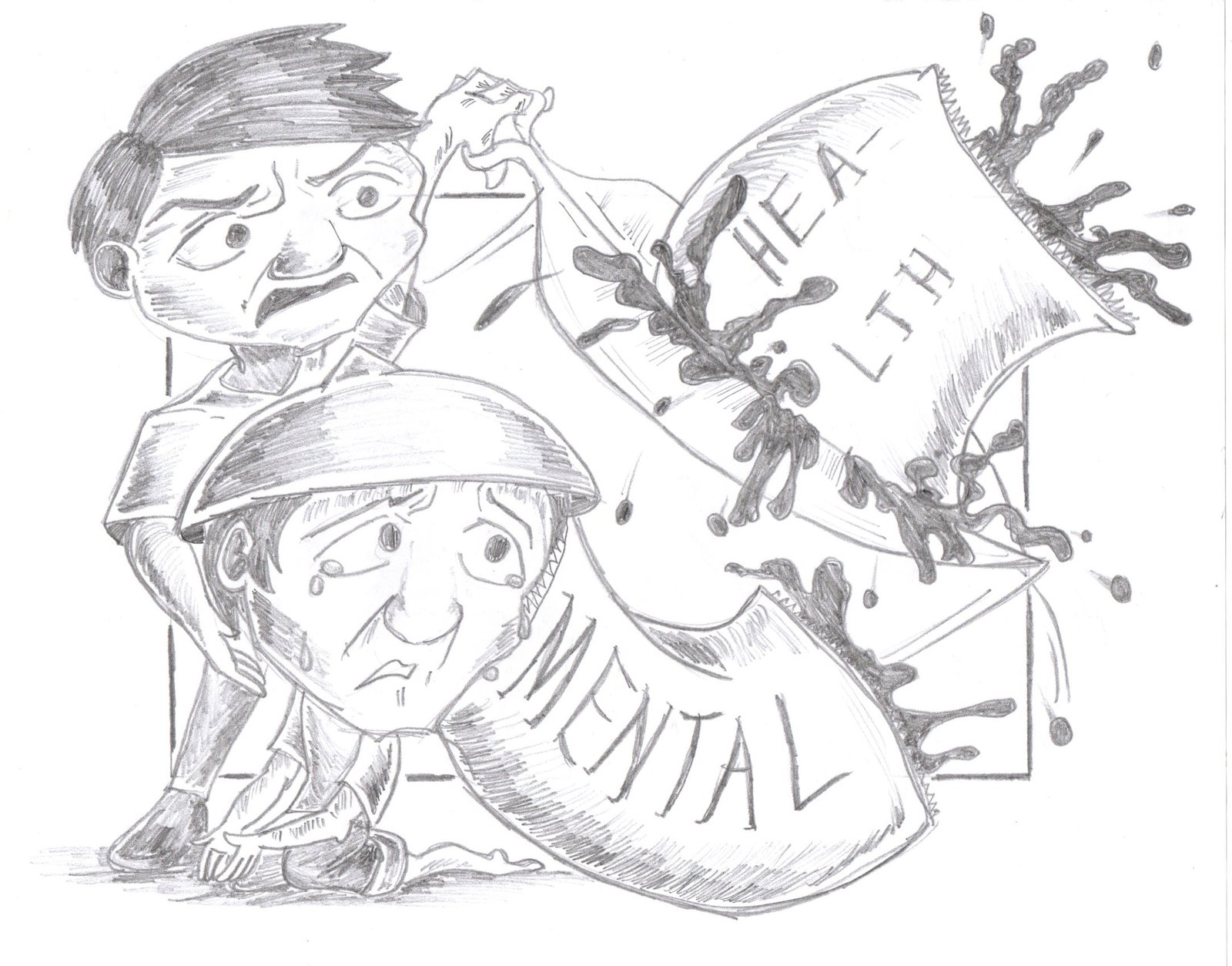
    Behind every smile may be a struggle that remains unseen. Mental health is not a weakness to hide but an essential part of every person’s well-being. Students face academic pressure, family expectations, and  personal challenges that can affect their emotional well health. Yet, many remain silent because they fear judgment or believe their struggles will not be understood.

    While the  implementation of higher budget allocations and investment for national mental health and child protection programs can provide help by addressing  severe shortage of mental health personnel and mitigate school violence, due to the 50% budget reduction, it is still out of reach.

    The government should provide immediate budget assistance through Department of Education (DepEd) program representatives so that they can attain the institutional goals as soon as possible.

    It is time to end the stigma and start listening, mental health deserves  the same attention as physical health because no grade achievement or expectations should come before a person’s well-being.

  • CHALK, TALK,  BURNOUT

    CHALK, TALK,  BURNOUT

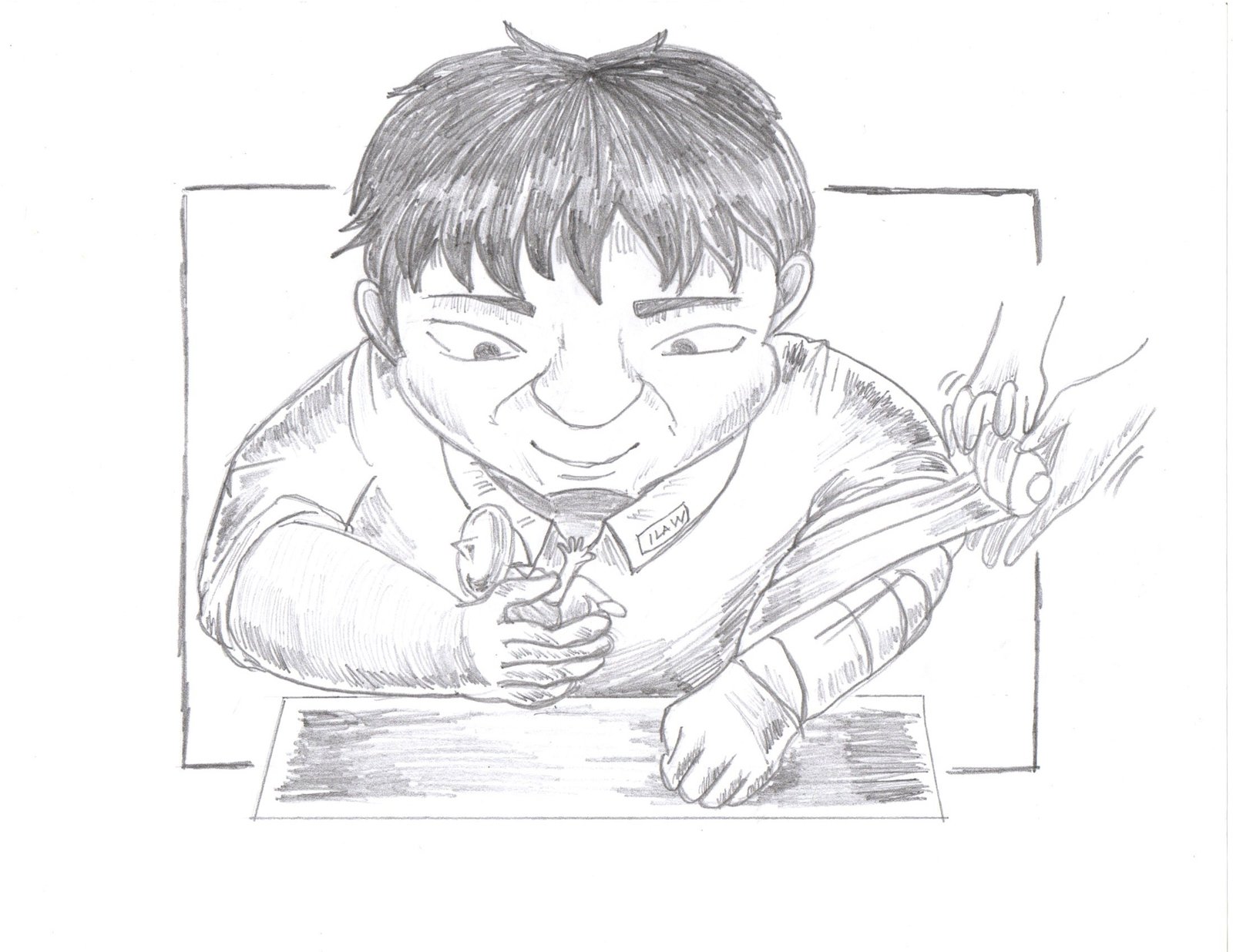
    Behind every successful student is a teacher who spends hours preparing lessons, checking papers, and shaping young minds. Yet while teachers are expected to build the nation’s future, many struggle with heavy workloads, financial pressures, and inadequate support. How can educators give their best when their own welfare is neglected?

    Low compensation and poor working conditions continue to challenge teachers in the Philippines. Beyond classroom instruction, educators handle paperworks, administrative tasks, and other responsibilities that consume time and energy. Some even spend their own money on classroom supplies to provide better learning experiences. These demands can lead to exhaustion, financial stress, and declining morale. When teachers struggle to meet their own needs, their well-being and ability to sustain quality instruction may suffer.

    Teachers are essential to the country’s educational progress, yet their contributions require more than recognition during celebrations. They need fair salaries, manageable workloads, sufficient teaching materials, and access to professional development. Although salary adjustments and government programs can provide support, these measures must be accompanied by improvements in working conditions.

    Teacher burnout also affects students. Exhausted educators may find it harder to provide individualized attention, develop engaging lessons, and respond to diverse learning needs. Furthermore, inadequate compensation may discourage qualified individuals from entering or remaining in the profession. Neglecting teacher welfare therefore threatens not only educators but also the quality and continuity of education itself.

    A nation’s education system cannot thrive when its teachers are overworked and undervalued. Praising educators for their sacrifices means little if those sacrifices become an expectation rather than a choice. Teachers deserve working conditions that respect their dignity and allow them to focus on what matters most: helping students learn.

    Improving education must include improving the lives of those who teach. The government should review teacher compensation, reduce unnecessary administrative work, provide adequate classroom resources, and strengthen mental health and professional support programs. School administrators must also distribute responsibilities fairly and ensure that teachers receive the assistance they need. Regular consultations with educators can help policymakers identify practical solutions to persistent workplace challenges.

    Teachers should not have to sacrifice their well-being to fulfill their calling. Investing in their welfare is an investment in every learner they teach. When we protect our teachers, we strengthen the future of our nation.

  • FUTURE ON FIRE

    FUTURE ON FIRE

    When the heat intensifies and the rain disappears, every vulnerable individual including school children, senior citizens and outdoor workers are prone to illnesses. The threat of a possible Super El Niño raises concerns about extreme heat-related health risk, declining water supplies, agricultural losses, and worsening heat. For communities already struggling with daily life necessities, extreme heat could turn daily needs into scarce resources. Climate extremes are not merely environmental problems; they threaten public health, food security, and livelihoods.

    The possibility of an intense El Niño makes early preparation essential, not optional. The government must treat public health as an urgent priority, especially to the students affected by the risks of stronger El Niño conditions. Waiting until the heat intensifies is not responsible governance. Preparedness must begin before drought reaches its peak. With the shift of class hours, it prevents health risk to the teachers and students.

    Some may argue that students with learning disadvantages may face hardships in learning due to the shifting of classes, however the safety of the public including students’ health must be the priority; preparation must be coordinated, practical, and sustained.

    The Palace assured the public that government agencies have been proactively coordinating to implement hybrid learning frameworks, health monitoring assistance, and cooling measures are wisely managed to strengthen the nation’s resilience.

    When the future is on fire, securing the safety of vulnerable individuals is no longer a choice; it is a responsibility.

  • Eala Cleared to Chase Asian Games Glory

    Eala Cleared to Chase Asian Games Glory

    http://manetwork.com/news/sports/othersports/1005256/alex-eala-not-penalized-for-asian-games-participation-says-philta/story/

    Alex Eala in action during the 20th Asian Games in Nagoya, Japan.

    Filipina tennis star Alex Eala’s decision to compete in the Asian Games underscores the challenge of balancing national representation with the demands of a professional tennis career, with the Philippine Tennis Association (PHILTA) confirming that she will not face sanctions from the Women’s Tennis Association (WTA).

    PHILTA’s confirmation clears the way for Eala to focus on her bid to represent the Philippines on the continental stage without the threat of disciplinary penalties hanging over her decision.

    For Eala, the Asian Games offer an opportunity to compete for national pride while continuing to build her standing in international tennis.

    Her choice also highlights the importance of multi-sport events, where athletes step away from their regular professional schedules to represent their countries.

    With the reported WTA clearance, attention now shifts to Eala’s performance and how she can translate her experience on the professional circuit into success for the Philippine team.

    As one of the country’s most prominent young tennis players, Eala carries the hopes of Filipino fans eager to see her make an impact against Asia’s top competitors.

    Her Asian Games campaign is more than a scheduling decision, it is an opportunity to showcase her growth as a player and reinforce her role in the Philippines’ pursuit of international tennis success.