


The Pacific Ocean is moving out of the cold of La Niña and into the hot El Niño phase. This transition is bound to have a massive impact on global weather patterns, causing potential disruptions in travel and services.
https://riskline.com/el-nino-is-here-what-will-the-impact-be/
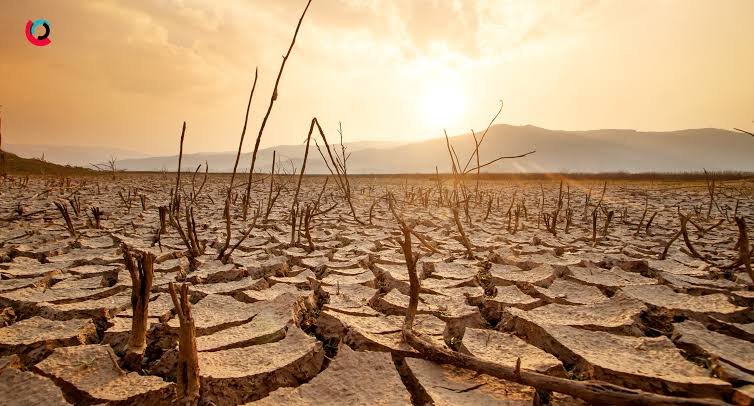
sun rises over fields that once shimmered with green. Now, the soil is dry, the grass has turned brittle, and farmers look toward a sky that offers little promise of rain. Somewhere nearby, a household carefully measures the water left in its containers. Under the same relentless heat, ordinary routines become daily challenges.
El Niño is a climate phenomenon that warms the central and eastern tropical Pacific Ocean and can influence weather patterns across the world. In the Philippines, it often increases the likelihood of below-normal rainfall, raising the risk of dry spells and drought in vulnerable areas.
For farmers, prolonged dry conditions can mean difficult decisions. Crops need sufficient water to grow, while livestock also depend on reliable water supplies. When rainfall becomes inadequate, agricultural production may suffer, potentially affecting farmers’ earnings and the availability or cost of certain food products.
The consequences can reach far beyond the fields.
At home, families may need to become more careful about water consumption. In schools, hot classrooms can make concentration more difficult, particularly when ventilation and drinking-water supplies are inadequate. Communities that depend on vulnerable water sources may face additional challenges in meeting daily needs.
Yet El Niño is not simply a story about a changing climate. It is also a story about preparation.
Water conservation, proper storage, efficient irrigation, and timely public advisories can help communities manage the risks. Local governments and relevant agencies can monitor water supplies, support affected farmers, and communicate preparedness measures. Households can also avoid wasting clean water and follow guidance from local authorities.
Still, individual action cannot replace broader planning. Communities need dependable water systems, accessible information, and coordinated responses to climate-related challenges. The people most affected may have the fewest resources to adapt, making assistance and preparedness especially important.
For students, understanding El Niño begins with looking beyond the temperature on a weather application. It means learning where water comes from, how food production depends on rainfall, and why environmental changes can affect families differently.
The heat may be felt on the skin, but its consequences reach into farms, kitchens, classrooms, and livelihoods.