

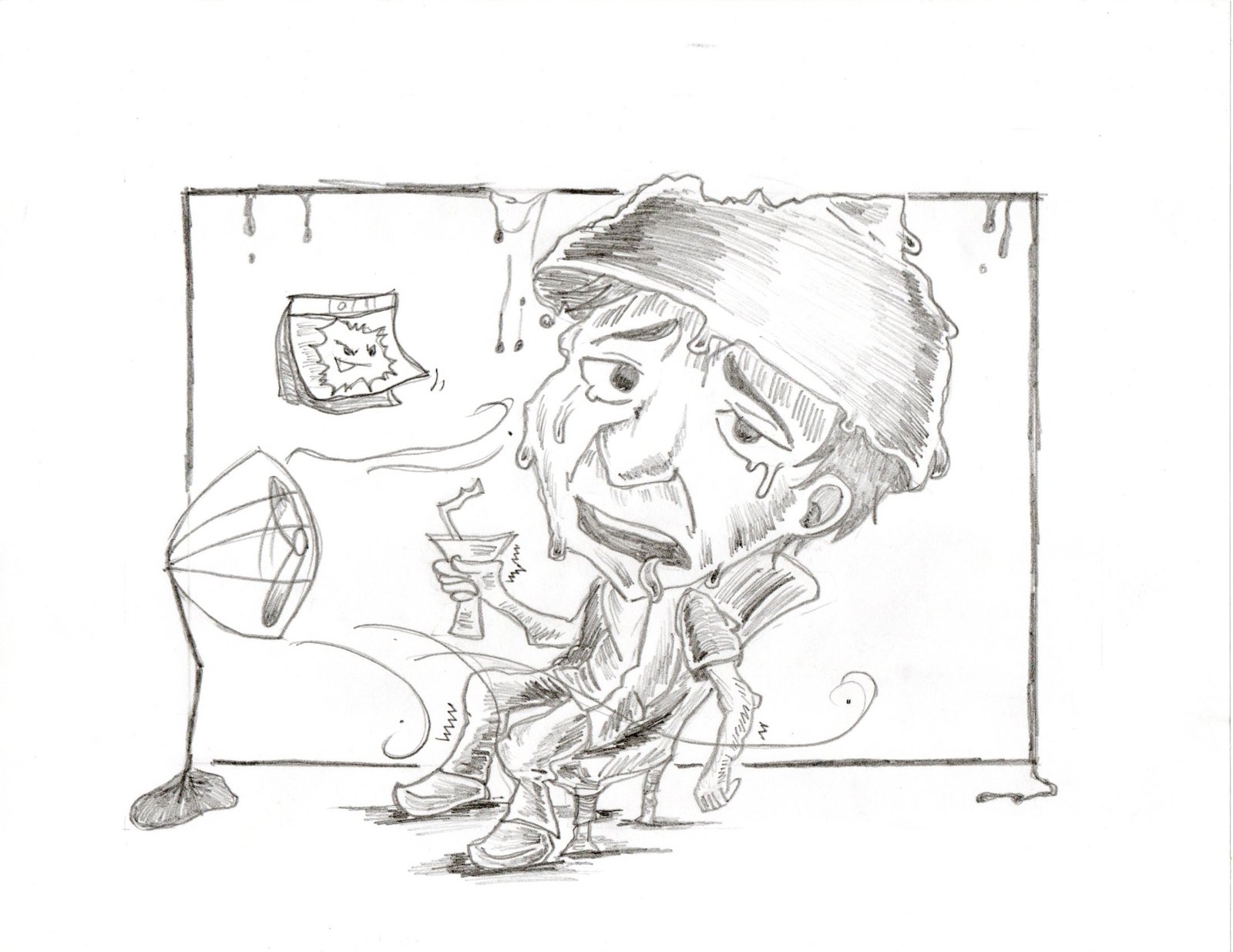

When the heat intensifies and the rain disappears, every vulnerable individual including school children, senior citizens and outdoor workers are prone to illnesses. The threat of a possible Super El Niño raises concerns about extreme heat-related health risk, declining water supplies, agricultural losses, and worsening heat. For communities already struggling with daily life necessities, extreme heat could turn daily needs into scarce resources. Climate extremes are not merely environmental problems; they threaten public health, food security, and livelihoods.
The possibility of an intense El Niño makes early preparation essential, not optional. The government must treat public health as an urgent priority, especially to the students affected by the risks of stronger El Niño conditions. Waiting until the heat intensifies is not responsible governance. Preparedness must begin before drought reaches its peak. With the shift of class hours, it prevents health risk to the teachers and students.
Some may argue that students with learning disadvantages may face hardships in learning due to the shifting of classes, however the safety of the public including students’ health must be the priority; preparation must be coordinated, practical, and sustained.
The Palace assured the public that government agencies have been proactively coordinating to implement hybrid learning frameworks, health monitoring assistance, and cooling measures are wisely managed to strengthen the nation’s resilience.
When the future is on fire, securing the safety of vulnerable individuals is no longer a choice; it is a responsibility.