

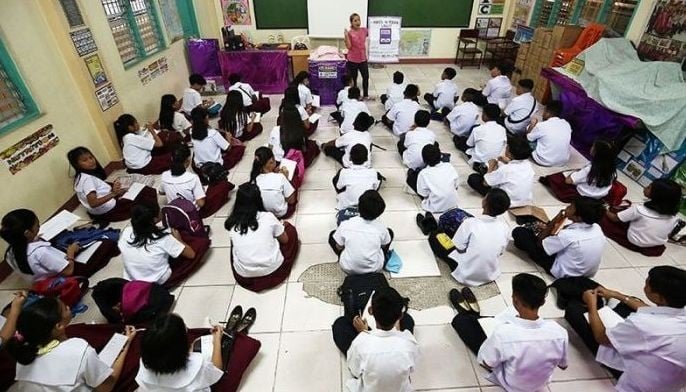


Public schools in Central Visayas are facing a shortage of around 10,000 classrooms, according to the Department of Education (DepEd) Region 7, highlighting the urgent need for additional learning spaces to keep up with the region’s growing student population.
Cutting a child protection budget by half may save money on paper, but how much will it cost when a student’s silent cry for help goes unheard? As the Department of Education (DepEd) pushes for greater investment in mental health and child protection, a reported 50-percent reduction in the program’s proposed funding raises an urgent question: Can schools protect their learners when the resources meant to keep them safe are shrinking?
Behind every classroom door are children carrying struggles that grades cannot measure. Some wrestle with anxiety, others endure bullying, and many need someone who can recognize their distress before it turns into a crisis. Yet addressing these concerns becomes increasingly difficult when schools face a shortage of mental health professionals and limited resources to protect their communities.
DepEd officials and program representatives are seeking increased budget allocations for mental health and child protection initiatives, emphasizing the need to prevent school violence and safeguard both learners and teachers. However, the reported budget reduction threatens to complicate these efforts, particularly when schools are expected to provide safe environments while responding to increasingly complex student needs.
When professional help is scarce, teachers often become the first adults to notice that something is wrong. A sudden change in behavior, withdrawal from classmates, or unexplained aggression may signal a deeper problem that requires attention. Through capacity-building programs, DepEd is equipping teachers with skills to recognize warning signs and administer psychological first aid.
Such training can help educators respond more appropriately to students in distress. Nevertheless, teachers cannot be expected to replace trained psychologists or guidance counselors. Their primary responsibility is already demanding, encompassing instruction, assessment, classroom management, and other school duties. Adding student mental health concerns without sufficient personnel and support risks stretching an already overburdened workforce even thinner.
Recognizing that teachers also need care, DepEd has established its “Caring for the Carers” initiative, which provides psychological support to educators, including during emergencies. Personnel have been deployed to assist amid situations such as earthquakes in Sarangani and incidents in Tacloban.
The initiative acknowledges a truth often overlooked in discussions about education: those who care for learners are human, too. Teachers who experience distress, exhaustion, or trauma also need opportunities to recover and receive professional assistance. Protecting educators’ well-being is not separate from protecting children; the two are deeply connected.
DepEd is also working to accelerate the hiring of school counselor associates to strengthen mental health support within schools. Expanding this workforce could help ensure that students with serious concerns are referred to qualified professionals instead of relying solely on teachers who may lack the specialized training required for complex cases.
But hiring plans, training sessions, and support initiatives need sustained funding to become accessible and effective. Without adequate resources, even well-designed programs may struggle to reach the learners and teachers who need them most.
Child protection is not merely a line item in a national budget. It represents the capacity of schools to respond when bullying escalates, when a child experiences abuse, or when a teacher recognizes that a student may be in danger. Mental health funding, likewise, supports early intervention that may prevent manageable concerns from becoming more serious crises.
Previous efforts to help learners, parents, and teachers understand their rights and responsibilities have laid important groundwork. Sustaining these gains, however, requires more than awareness. Communities need accessible support services, trained personnel, clear reporting procedures, and sufficient resources to act when problems arise.
The government must therefore examine whether proposed allocations adequately reflect the scale of the challenges facing schools. Budget decisions should consider not only immediate financial constraints but also the long-term consequences of failing to address violence, psychological distress, and child protection concerns early.
Ultimately, a safe school is built through more than rules posted on classroom walls. It depends on adults who can recognize distress, professionals who can provide appropriate care, and institutions willing to invest in prevention rather than wait for tragedy to demand attention.
Children should never have to compete with budget constraints for the protection they deserve, and teachers should never have to carry an entire school’s emotional burden alone. If education is truly an investment in the nation’s future, safeguarding the minds and lives of its learners must not become an expense the country can afford to cut.