


Behind every successful student is a teacher who spends hours preparing lessons, checking papers, and shaping young minds. Yet while teachers are expected to build the nation’s future, many struggle with heavy workloads, financial pressures, and inadequate support. How can educators give their best when their own welfare is neglected?
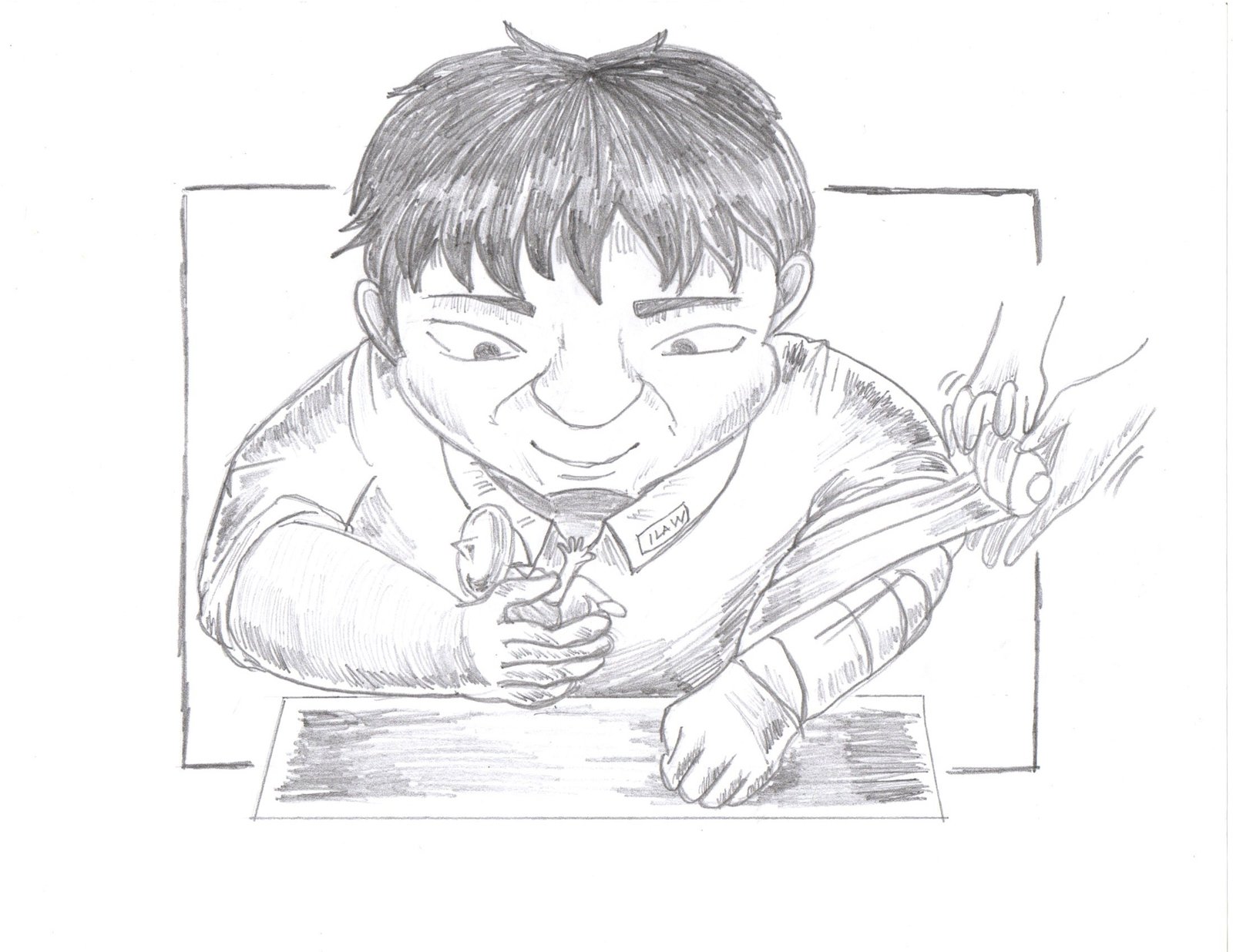
Low compensation and poor working conditions continue to challenge teachers in the Philippines. Beyond classroom instruction, educators handle paperworks, administrative tasks, and other responsibilities that consume time and energy. Some even spend their own money on classroom supplies to provide better learning experiences. These demands can lead to exhaustion, financial stress, and declining morale. When teachers struggle to meet their own needs, their well-being and ability to sustain quality instruction may suffer.
Teachers are essential to the country’s educational progress, yet their contributions require more than recognition during celebrations. They need fair salaries, manageable workloads, sufficient teaching materials, and access to professional development. Although salary adjustments and government programs can provide support, these measures must be accompanied by improvements in working conditions.
Teacher burnout also affects students. Exhausted educators may find it harder to provide individualized attention, develop engaging lessons, and respond to diverse learning needs. Furthermore, inadequate compensation may discourage qualified individuals from entering or remaining in the profession. Neglecting teacher welfare therefore threatens not only educators but also the quality and continuity of education itself.
A nation’s education system cannot thrive when its teachers are overworked and undervalued. Praising educators for their sacrifices means little if those sacrifices become an expectation rather than a choice. Teachers deserve working conditions that respect their dignity and allow them to focus on what matters most: helping students learn.
Improving education must include improving the lives of those who teach. The government should review teacher compensation, reduce unnecessary administrative work, provide adequate classroom resources, and strengthen mental health and professional support programs. School administrators must also distribute responsibilities fairly and ensure that teachers receive the assistance they need. Regular consultations with educators can help policymakers identify practical solutions to persistent workplace challenges.
Teachers should not have to sacrifice their well-being to fulfill their calling. Investing in their welfare is an investment in every learner they teach. When we protect our teachers, we strengthen the future of our nation.